


How can pure electric cargo ships reshape the ecological and economic win-win pattern of the Yangtze River Economic Belt?
2025-08-19


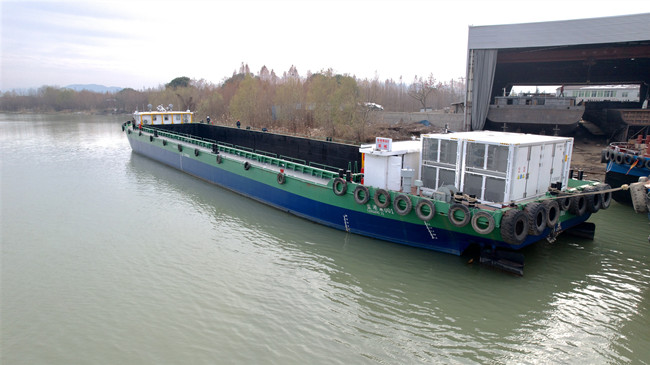
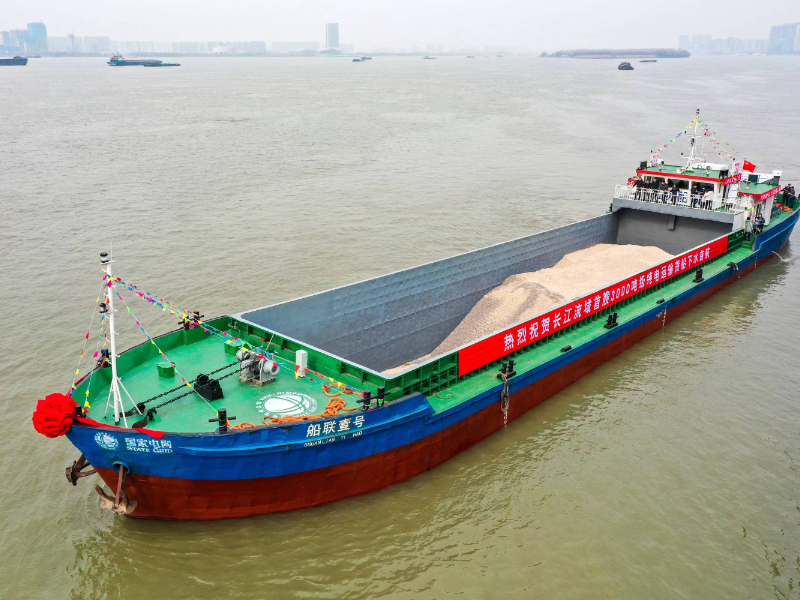
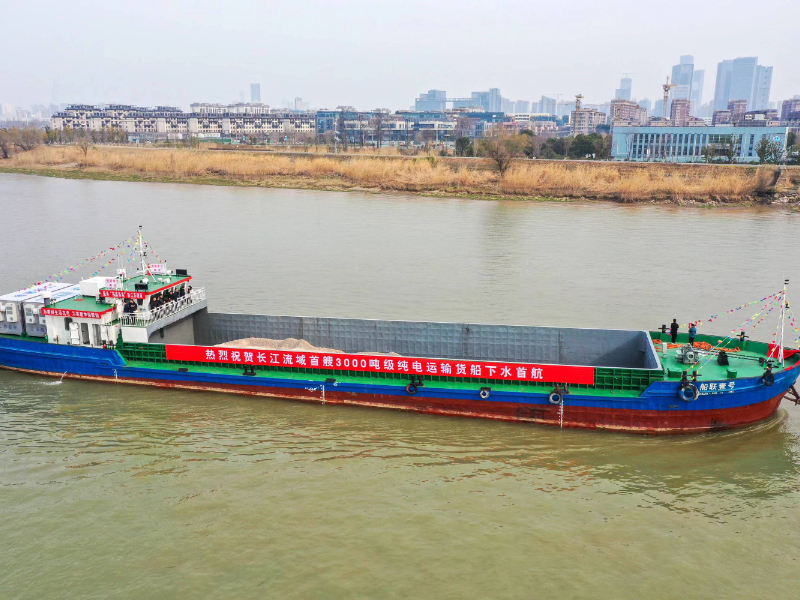
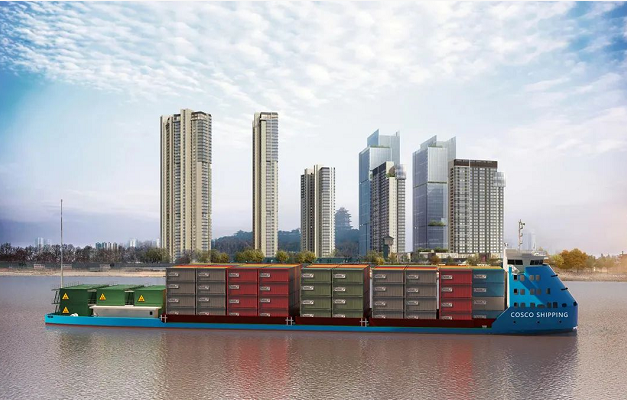
Amidst the surging waves of the Yangtze River, a silent green revolution is changing the freight genetics of China’s longest river. When the "COSCO Shipping Green Water 01" pure electric cargo ship, with a load capacity of 10,000 tons, cuts through the blue waves, its hull is not powered by the black smoke of a diesel engine, but by the clean energy released from a 3,400 kWh lithium iron phosphate battery pack. Every voyage of this world’s largest pure electric cargo ship writes a new paradigm of ecological protection and high-quality development for the Yangtze River Economic Belt.
I. Ecological Restoration: From Polluting Giant to Zero Carbon Pioneer
Pollution from cargo vessels along the Yangtze River has long been a stubborn issue in environmental protection. Data shows that a traditional inland cargo ship emits particulate matter equivalent to 20,000 cars annually, and its noise pollution has severely impacted rare aquatic species like the Yangtze river dolphin. The advent of pure electric cargo ships is like implanting a “green heart” into the Yangtze River’s arteries:
Zero Emissions Revolution: For example, the "Dongxing 100" pure electric cargo ship, with its lithium iron phosphate battery, reduces carbon dioxide emissions by 260 tons annually, equivalent to the carbon sequestration capacity of 3,800 trees.
Silent Protection of Life: The noise generated by the electric motor is under 65 decibels, 40% less than that of fuel-powered ships, creating a quieter habitat for species like the Yangtze river dolphin and Chinese sturgeon.
Water Quality Protection: Electric cargo ships completely eliminate the risk of fuel leakage, and their equipped oil-water separation systems can also treat sewage, ensuring that clear waters flow eastward.
At the Yichang Zigui Port, the world’s first high-voltage charging system for ships is injecting green energy into passing cargo ships. Shore power facilities cover 69 terminals, having replaced 12,100 tons of diesel fuel and reduced harmful gas emissions by 38,000 tons, which is equivalent to rebuilding a 10,000-acre ecological forest along the Yangtze River.
II. Economic Reconstruction: Cracking the Cost Code of Millennium-Old Shipping
The traditional shipping industry’s dilemma of “high energy consumption, high pollution, and low efficiency” is being solved by the wave of electrification. While the initial investment for pure electric cargo ships is 40%-60% higher than that of traditional vessels, the life-cycle cost advantages of electric cargo ships are gradually becoming evident:
Fuel Revolution: Take a 2,000-ton bulk carrier, for example. While the lithium battery system increases the purchase cost by 8 million RMB, it saves 800,000 RMB in fuel costs annually, and the total cost over the 8-year battery life cycle is only 15% higher.
Policy Incentives: The state provides subsidies of 1,500 RMB per kilowatt for new energy vessels. Local governments, such as in Yichang, offer financial support for the electrification of phosphate ore transport vessels.
Efficiency Leap: After adopting modular battery packs, port tugboats have reduced maintenance costs by 40%, increased operational efficiency by 27%, and the investment payback period can be shortened by 3 years with carbon trading revenue.
Even more notably, this revolution is giving rise to a new industrial ecosystem. At the Yichang Shipbuilding Industrial Park, companies like Xinhui Shipbuilding have established a full industry chain from battery R&D to shipbuilding. By 2024, new energy vessels are expected to account for over 80% of orders, with an annual output value exceeding 200 million RMB. By 2026, this park will form an industrial cluster capable of producing 300 green, intelligent vessels annually, with a total output value of 50 billion RMB.
III. Technological Breakthroughs: The China Solution Defining Global Standards
In the field of electric vessels, China is transitioning from a “follower” to a “leader.” The lithium iron phosphate batteries developed by CATL for ships have industry-leading energy density, and their “Minjiang Star” project has accumulated over 100 MWh of installed capacity. The smart energy management system developed by Wuhan Yangtze Shipbuilding Design Institute improves a vessel’s endurance by 15%-20%, and its precise fire protection system reduces battery thermal runaway risk by 90%.
Technological innovation is also evident in breakthroughs in infrastructure. The State Grid is planning to build 150 ship charging stations along the Yangtze River mainline, forming the world’s first “waterborne charging corridor.” Among them, the fast-charging technology at the Yichang Three Gorges Navigation Comprehensive Service Area allows for “15 minutes of charging for 1 hour of sailing,” completely resolving the endurance anxiety of electric cargo ships.
IV. Civilizational Legacy: The Green Awakening of the Thousand-Year Golden Waterway
As the electric cargo ships sail past the Three Gorges Dam, their zero-emission nature perfectly aligns with the environmental protection philosophy of this world’s largest hydraulic hub. In Yichang, the “Electrification of the Yangtze River” initiative has not only retrofitted 84 new energy vessels but also transformed five ferryboats in the reservoir area, making them the first batch of standard new energy passenger ferries in the country. This transformation is akin to injecting new genes into the thousand-year-old shipping civilization—moving from Tang Dynasty wooden sailboats to Ming Dynasty grain transport vessels, and now to today’s electric cargo ships, the Yangtze River continues to write a story of human-nature harmonious coexistence.
The deeper significance lies in the fact that China’s electric vessel development path is offering a global blueprint. While Norway is still building coastal charging stations, China has already established a complete industrial system for inland river vessels. While the European Union plans to deploy 100 zero-emission vessels by 2030, China has already commercialized 10,000-ton electric cargo ships. This “curve overtaking” is not only reshaping the global shipping landscape but also highlighting China’s responsibility in ecological civilization construction.
V. The Ship of the Future: Sailing Towards a Zero-Emission Future
Looking out from Yichang’s Jiutamo Wharf, electric cargo ships are emerging one after another, their tracks outlining the new contours of the Yangtze River Economic Belt. By 2030, when the average net cargo tonnage of inland river motor cargo ships surpasses 1,900 tons, the penetration rate of electric vessels is expected to reach 40%, with the market size exceeding 100 billion RMB. At that time, the Yangtze River will not only be China’s golden waterway but will also become the “China model” for the global green transformation of inland river shipping.
This giant ship, named “Green Development,” has already set sail. It carries not only cargo but also a nation’s commitment to ecological civilization. It runs not only on electricity but also on the wisdom of human-nature harmony. When the electric cargo ships’ propellers stir up green waves in the Yangtze River, what we see is a clear answer for the future—development need not come at the cost of the environment, and civilization progress and ecological protection can resonate in perfect harmony.
Previous
没有了!
Previous:
没有了!
Contact Us
Email:
13813981680@139.com
Tel:
+86-17602544555
Address:
Building T1, Tianjijiang Lai-T1, Pukou District, Nanjing City