


The Indonesian Electric Cargo Vessel Market in 2026: A Golden Channel Sailing Towards a Green Future
2026-01-20


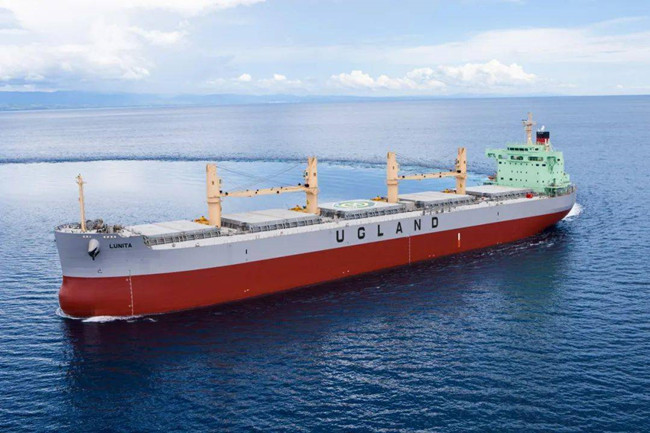
As the global shipping industry accelerates its transition amid the wave of carbon neutrality, Indonesia—a maritime nation composed of 17,000 islands—is leveraging electric cargo vessels as a fulcrum to drive a green logistics revolution. As the largest economy in Southeast Asia by GDP, Indonesia's island-based geographical characteristics result in ship transportation accounting for over 90% of the country's total freight volume. In 2026, with the simultaneous resonance of policy incentives, technological breakthroughs, and market demand, the electric cargo vessel market is poised for an unprecedented explosion.
Policy Tailwind: From "Market for Investment" to "Manufacturing Shaping the Future"
The Indonesian government's support for electric vessels has shifted from "incentivizing imports" to "mandating localization." Starting from 2026, the two-year preferential treatment for the import of complete electric vehicles will be completely terminated, and companies are required to achieve localization of production within a two-year buffer period, with the localization ratio increasing from 40% to 60%. This policy is compelling foreign investors to transition from a "trade-oriented" approach to "technology-rooted" operations. For instance, China's battery giant CATL has collaborated with Indonesian local enterprises to establish a ship battery production base on Batam Island, with an expected production capacity in 2026 sufficient to meet the needs of 200 electric cargo vessels. Meanwhile, the Indonesian Ministry of Energy and Mineral Resources has imposed a carbon tax on maritime enterprises and mandated that vessels use fuel with a sulfur content of ≤0.1%. As a result, the operating costs of traditional fuel-powered cargo vessels have surged by 20%-30%, while the energy costs of electric cargo vessels are 45% lower than those of diesel-powered ones. The combined pressures of policy and economics are accelerating the phase-out of high-emission vessels.
Technological Breakthroughs: From "Short-Haul Pilots" to "Mainline Coverage"
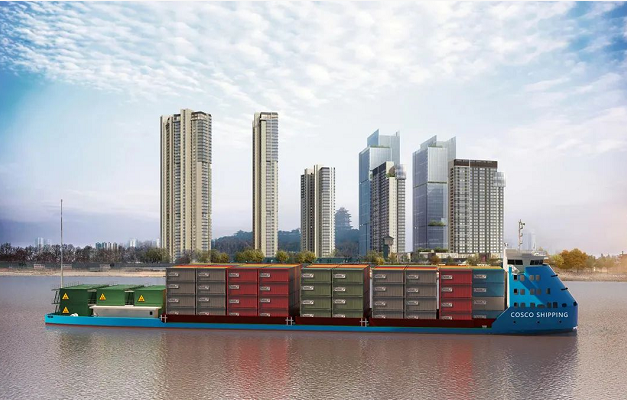
In Indonesian waters in 2026, electric cargo vessels have transcended the limitations of "feeder transportation" and are making inroads into ocean-going mainlines. On the short-haul route between Java Island and Sumatra Island, the 200 TEU electric container vessel developed by Indonesia's PT Pindad has achieved commercial operation. Equipped with lithium iron phosphate batteries, it supports a single voyage of 150 nautical miles and, when paired with port shore power systems, reduces carbon emissions by 45% compared to traditional cargo vessels. More notably, the "zero-emission route" jointly piloted by China and Indonesia has been launched on the Jakarta-Shenzhen route, employing a combination of LNG-powered tugs and electric cargo vessels, resulting in a 52% reduction in overall carbon emissions and qualifying for tariff exemptions under the European Union's Carbon Border Adjustment Mechanism (CBAM). Additionally, the 2C fast-charging cells introduced by China's CALB have reduced the recharging time for electric cargo vessels at Surabaya Port to just 40 minutes, effectively eliminating range anxiety.
Market Demand: From "Cost-Driven" to "ESG Premium"
The thriving manufacturing sector in Indonesia is generating substantial demand for green logistics. In the first quarter of 2025, Indonesia's manufacturing GDP grew by 5.1% year-on-year, and the e-commerce industry scale surpassed 80billion.IntheforkliftmarketinJakarta,electricequipmentalreadyaccountsfor63.81.2 billion by the end of 2026.
Industrial Synergy: From "Single-Point Breakthroughs" to "Ecosystem Win-Win"
The rise of electric cargo vessels is driving a green upgrade across Indonesia's entire industrial chain. On the shipbuilding front, the Indonesian government plans to increase shipbuilding capacity to 5 million deadweight tons by 2030 and collaborate with South Korea's HD Hyundai Heavy Industries and China's China Merchants Industry Holdings to establish an electric cargo vessel R&D center on Bintan Island, focusing on breakthroughs in hydrogen fuel cell and hybrid power technologies. In terms of supporting services, standardized foldable container rental points established in industrial cities such as Bandung and Medan have reduced empty container repositioning rates by 30%, while carbon offset credit trading in collaboration with Indonesian geothermal power projects allows shippers to offset freight costs with green energy credits, further lowering the barriers to using electric cargo vessels. More profoundly, through the "Green Shipping Corridor" initiative, Indonesia is deeply integrating electric cargo vessels with nickel ore transportation and battery manufacturing to build a zero-carbon supply chain spanning from mineral extraction to terminal logistics.
Future Outlook: Sailing Towards the Stars of 2030
Standing at the starting point of 2026, Indonesia's electric cargo vessel market has clearly outlined its growth trajectory: by 2030, electric cargo vessels will account for 60% of Indonesia's inland waterway transportation market and achieve a penetration rate of over 15% in ocean-going mainlines, driving the shipbuilding, battery, and intelligent shipping industries to create over $5 billion in value. This transformation is not merely about environmental protection and economic benefits but also a reshaping of national competitiveness. As Indonesian electric cargo vessels navigate the Malacca Strait, they carry not only goods but also the ambition of a maritime nation ascending to the pinnacle of the global green supply chain.
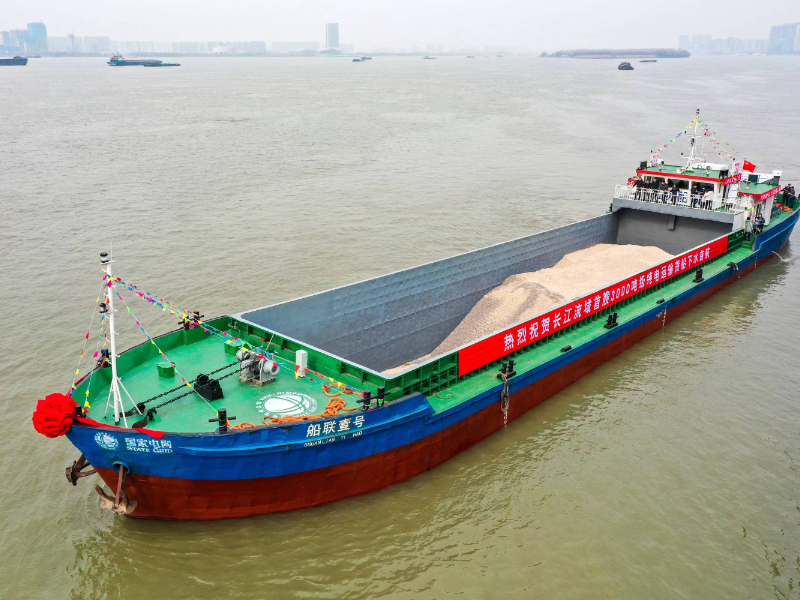
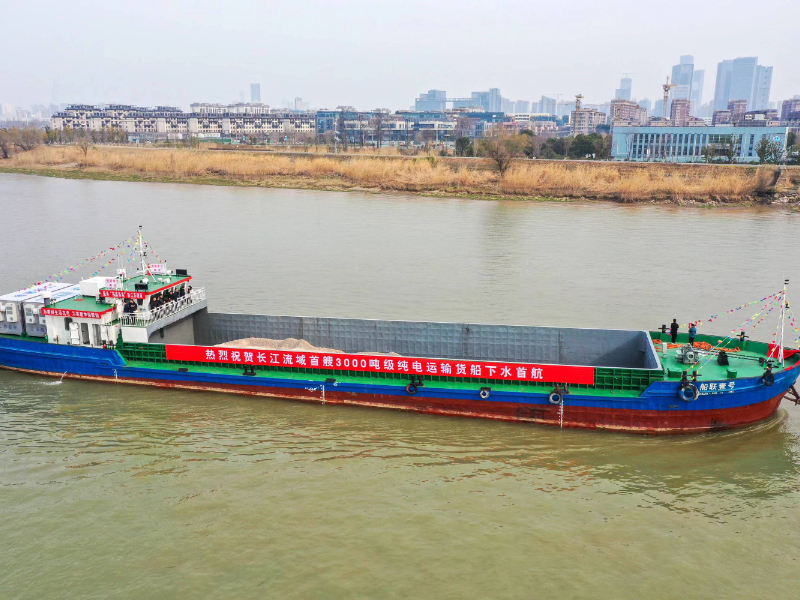
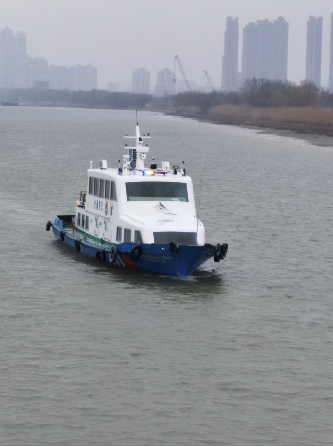
Contact Us
Email:
13813981680@139.com
Tel:
+86-17602544555
Address:
Building T1, Tianjijiang Lai-T1, Pukou District, Nanjing City