


Electric Cargo Ships Pioneer Vietnam's New Green Development Landscape by 2026
2026-01-23


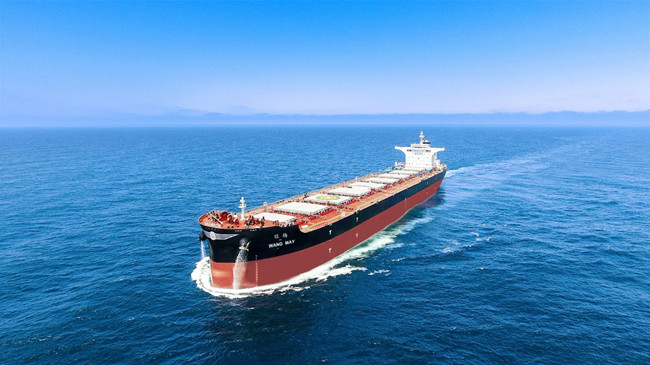
In the dawn light of the Mekong Delta, a sleek silver electric cargo ship quietly departs from Ho Chi Minh City Port. Unlike traditional cargo vessels, there is no thick plume of black smoke trailing behind—only a low hum resonating with the ocean waves. This "zero-emission pioneer," laden with Nike products, is embarking on a new era for Vietnam's maritime industry, reducing carbon dioxide emissions by 778 tons annually and setting the stage for the country's green transformation. By 2026, Vietnam is leveraging electric cargo ships as a pivotal force to drive economic restructuring and unlock new growth momentum, positioning itself at the intersection of global "dual carbon" goals and supply chain reconfiguration to achieve high-quality development.
I. Green Shipping: The "Blue Engine" Reshaping Vietnam's Economic Geography
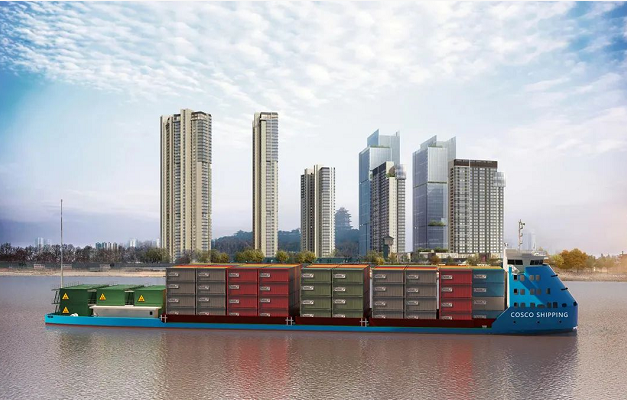
Vietnam's 3,260-kilometer coastline and dense inland river network, once dominated by fossil fuel-powered cargo ships, have long been plagued by high emissions and noise pollution. Today, the rise of electric cargo ships is rewriting this narrative. Take the collaboration between China's Jining Xinneng Shipbuilding and French shipping giant CMA CGM, along with Nike, for Vietnam's inland river projects as an example. Their all-electric container ships not only achieve zero-emission transportation over the 180-kilometer route from Binh Duong Province to Gemalink Port but also handle an annual capacity of 50,000 TEUs, deeply integrating Vietnam's manufacturing sector into the global green supply chain.
This transformation is fueled by Vietnam's ambitious "Net-Zero Emissions in Transportation by 2050" strategy. From Haiphong Port to Da Nang, green port standards have been comprehensively upgraded, with strict limits on vessel noise and soot emissions. Shore power supply systems now cover major terminals, enabling electric cargo ships to "recharge and go." More notably, the bankruptcy restructuring of SBIC, Vietnam's largest shipbuilder, has created market space for new energy vessel industries. International players like Jining Xinneng Shipbuilding are stepping in to fill this gap, forming a closed-loop industrial ecosystem of "technology import—local production—global export."
II. Industrial Upgrading: From "Manufacturing Backwater" to "Green Smart Manufacturing Hub"
The widespread adoption of electric cargo ships is not merely a transportation revolution but a catalyst for Vietnam's manufacturing value chain ascension. Consider Yuchai's Vietnam factory, where its high-end engine manufacturing project collaborates closely with local enterprises like Golden Dragon Automobile. Beyond supplying power systems for electric cargo ships, this partnership is driving the development of supporting industries such as battery management, intelligent control, and lightweight materials. Data shows that by 2025, Vietnam's shipbuilding industry annual output exceeded 950 vessels, with the localization rate of electric cargo ship components rising by 15% annually. By 2026, a 10-billion-dollar new energy vessel industrial cluster is expected to take shape.
This progress aligns seamlessly with Vietnam's "2021–2030 Green Growth Strategy." Through tax incentives and R&D subsidies, the government is attracting technology leaders from China, Europe, and beyond to establish operations, propelling the shipbuilding industry from "low-cost assembly" to "high-tech integration." For instance, Jining Xinneng Shipbuilding's "sectional construction" and "hull-outfitting-painting integration" models have boosted production efficiency by 60% while achieving a 95% product pass rate, shattering the old stereotype of "crude and inefficient" inland vessels. This technological spillover effect is radiating across Vietnam's 28 provinces, forging a new regional economic ecosystem of "coastal shipbuilding—inland transportation—green exports."
III. Growth Momentum: Dual Drivers of Green Trade and Employment
The large-scale deployment of electric cargo ships is injecting dual growth momentum into Vietnam's economy. On one hand, green shipping has become Vietnam's new calling card in global trade. With stricter international regulations like the EU's Carbon Border Adjustment Mechanism, Vietnam's electric cargo fleet, with its "zero-emission" advantage, commands premium pricing for exports of agricultural products, textiles, and electronics. By 2025, Vietnam's goods and services exports grew by 16.27%, with green products transported by electric cargo ships accounting for over 20%—a key driver of GDP expansion.
On the other hand, industrial upgrading is creating high-quality jobs. From port charging station maintenance to ship intelligent control system development, and from battery recycling to green supply chain management, the electric cargo ship value chain has generated tens of thousands of skilled positions. According to Vietnam's Ministry of Labor, by 2026, employment in the new energy vessel sector will surpass 150,000, a 40% increase from 2025, with average wages 30% higher than traditional manufacturing. This "green employment" boom is transforming Vietnam's demographic dividend into a "talent dividend," laying a solid foundation for sustainable economic development.
IV. Future Outlook: Vietnam's "Green Inflection Point" in 2026
Looking back from the threshold of 2026, Vietnam's electric cargo ship revolution has shifted from "policy-driven" to "market-led." At Ho Chi Minh City Port, electric cargo ships line up at fast-charging stations; in the Mekong Delta, farmers navigate electric fishing boats through paddy fields; in Hue Industrial Park, Vietnamese and Chinese engineers fine-tune a prototype hydrogen fuel cell cargo ship. These scenes paint a panoramic picture of Vietnam's green economy.
More profoundly, Vietnam is using electric cargo ships as a bridge to deeply integrate into the global green supply chain network. From航线 (route) collaborations with CMA CGM to technology partnerships with Chinese firms, and participation in ASEAN's "Zero-Emission Shipping Corridor" initiative, Vietnam's green transition transcends national borders, becoming a new paradigm for regional economic integration. As Vietnam's Minister of Finance stated at the 2026 Economic Work Conference: "Electric cargo ships are not the endpoint but the starting point for Vietnam's journey from 'follower' to 'leader.'"
As the sun sets over Ha Long Bay, casting a golden glow on electric cargo ships, Vietnam's economic vessel sails forward with green as its sail, navigating toward the deep blue waters of high-quality development. By 2026, this vibrant land is using the hum of electric cargo ships to compose a symphony of "green rise" for the new era.
Contact Us
Email:
13813981680@139.com
Tel:
+86-17602544555
Address:
Building T1, Tianjijiang Lai-T1, Pukou District, Nanjing City