


On the Waves, Powered by Green: Australia’s Electric Cargo Vessel Industry Paves the Way for Zero-Carbon Shipping
2026-02-03


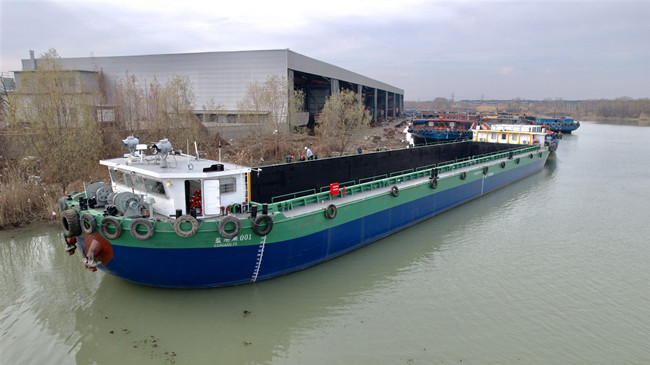
Spanning Australia’s vast landscape, the winding Murray and Darling rivers nourish inland civilizations, while world-class ports like Sydney and Melbourne connect the nation to global trade. This land embraced by oceans and rivers is now writing a magnificent chapter in the green transformation of the shipping industry through the rise of electric cargo vessels. As the roar of traditional diesel engines fades into the hum of electric motors, a revolution rooted in clean energy, technological innovation, and public well-being is quietly unfolding on the water.
Nature’s Gift: Geographic Advantages Nurture a Thriving Electric Shipping Sector
Australia boasts the longest coastline globally and a dense network of inland rivers, with its ports ranking among the world’s busiest. However, traditional shipping’s reliance on diesel and heavy fuel oil has long plagued port cities with smog, while contributing 3% of global greenhouse gas emissions—with Australian inland vessels emitting 1.5 times more carbon per kilometer than road transport.
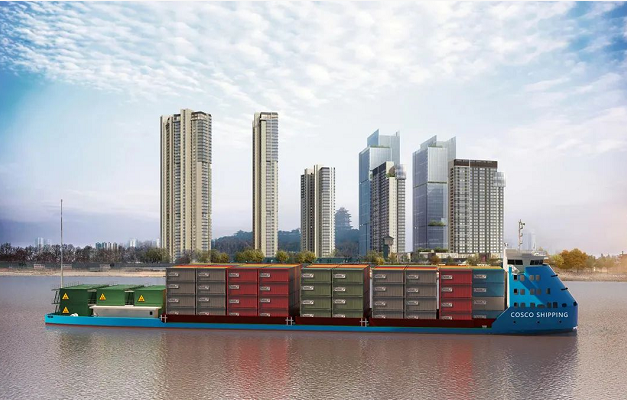
The adoption of electric cargo vessels offers a transformative solution. Take the Murray River, which spans South Australia and Victoria and serves as a lifeline for agricultural and mineral transport. Replacing existing inland cargo ships with electric alternatives could slash annual emissions by over one million metric tons—equivalent to planting 250 million trees. Even more inspiring, Tasmania’s Incat shipyard has built the world’s first “zero-carbon shipyard,” powered entirely by renewable energy. Its crowning achievement, the China Zorrilla, a 2,100-passenger electric ferry with a 40 MWh battery capacity, proves that large-scale electric shipping is both technologically feasible and environmentally impactful.
Technological Revolution: From Diesel-to-Electric Retrofits to Full-Chain Upgrades
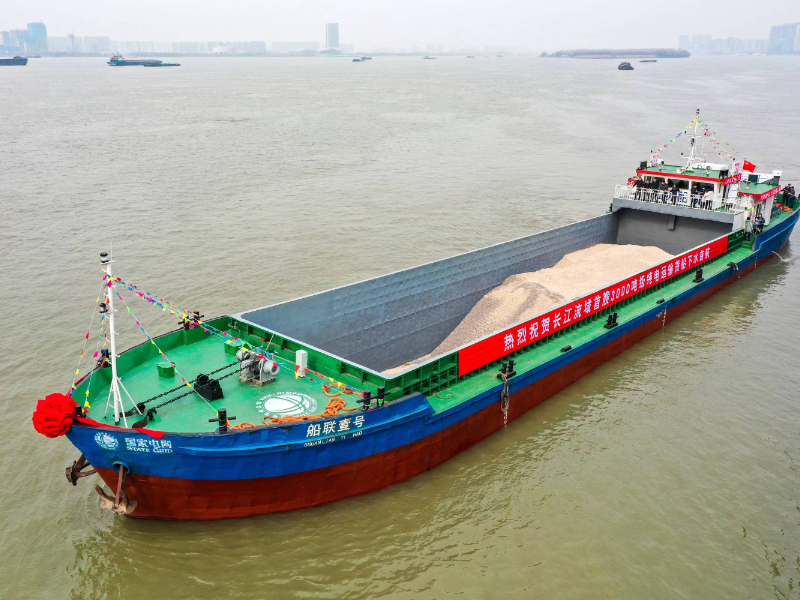
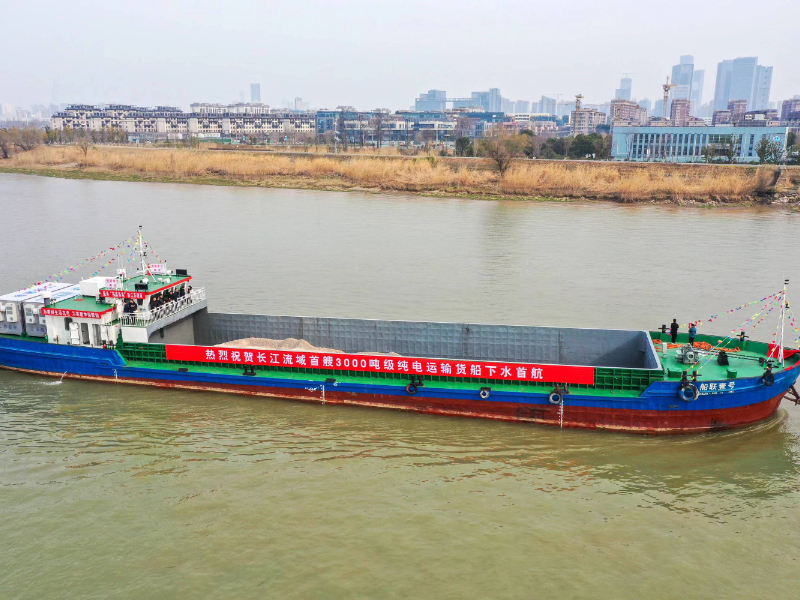
The core of electric cargo vessels lies in their revolutionary propulsion systems. Traditional diesel engines are replaced by high-efficiency permanent magnet synchronous motors, paired with lithium iron phosphate batteries, delivering zero emissions while enhancing maneuverability and cost-effectiveness. For instance, China’s Yujian 77 electric passenger ship, powered by dual 450 kW motors, achieves a 45-nautical-mile range, while Australia is developing 10 MWh electric cargo vessels capable of short-haul mineral transport with charging times just one-third of traditional refueling.
Policy and market forces are accelerating this shift. Australia’s National Electric Vehicle Strategy and ARENA funding program have allocated over AUD 100 million for electric vessel R&D. New South Wales and Victoria offer “Zero-Emission Vessel Retrofit Tax Rebates,” reimbursing businesses 40% of retrofit costs. Meanwhile, collaborations between Chinese giants like CATL and BYD with Australian shipyards have introduced integrated “battery-motor-control” solutions, reducing retrofit costs by 30% and making green transitions accessible to small- and medium-sized shipowners.
Public Well-Being: Clean Shipping Benefits Every Household
The spread of electric cargo vessels ultimately improves lives. In Sydney Harbour, electric sightseeing boats have replaced some diesel vessels, allowing tourists to savor views of the Opera House and Harbour Bridge without the stench of diesel fumes. In Darwin’s ports, silent electric fishing boats help fishermen pinpoint schools of fish with precision, boosting incomes by 20%. Along the Murray River, zero-emission cargo ships protect aquatic ecosystems, while stable electricity prices cut transport costs for wineries by 15%, enabling more premium products to reach global markets.
The benefits extend to jobs and health. The electric vessel industry is creating over 5,000 green jobs by 2030, from battery maintenance to smart navigation. Meanwhile, WHO studies show that improved air quality in port cities has reduced respiratory illnesses by 18% and childhood asthma hospitalizations by 25%. Clean shipping is quietly becoming an “invisible guardian” of public health.
Global Leadership: Australia Sets New Standards for Sustainable Shipping
As a pioneer in shipping decarbonization, Australia’s electric vessel initiatives are drawing international attention. Incat is negotiating a 170-meter electric ro-ro passenger ship project with Mediterranean Shipping Company, which could cut annual emissions equivalent to 100,000 fuel-powered cars. Additionally, Australia and New Zealand’s joint “Trans-Tasman Electric Shipping Corridor” plan aims to establish a cross-ditch charging network, paving the way for global adoption of ocean-going electric cargo vessels.
As Incat founder Robert Clifford declared, “We’re not just building ships—we’re defining the future of shipping.” As electric cargo vessels glide across Australia’s rivers and seas, they carry more than cargo—they embody humanity’s pledge to a sustainable future, where every wave sparkles with green energy and every sail hoists the promise of zero carbon.
On the vast blue expanse, green momentum never ceases. Australia’s electric cargo vessel industry is steering toward a cleaner, more prosperous tomorrow with innovation and resolve!
Contact Us
Email:
13813981680@139.com
Tel:
+86-17602544555
Address:
Building T1, Tianjijiang Lai-T1, Pukou District, Nanjing City