


Indonesian Traditional Shipbuilding: Breakthrough and Rebirth in the Tide of New Energy and Intelligence
2026-02-06


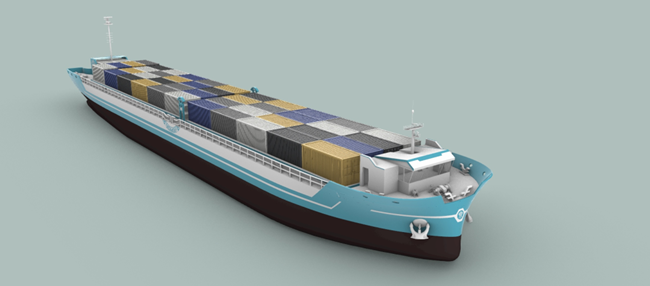
In Indonesia, the vast archipelago landscape has nurtured a long-standing maritime civilization, with traditional shipbuilding factories once serving as the "maritime links" connecting thousands of islands. However, as the global energy transition accelerates and the wave of intelligence sweeps through the shipping industry, Indonesia's shipbuilding sector stands at a historic turning point—how can traditional craftsmanship break through technological bottlenecks? How can fuel-powered vessels achieve a "green revolution"? How can intelligent upgrades reshape the industrial ecosystem? The answers lie in the transformation practices of Indonesia's traditional shipbuilding factories.
I. New Energy Vessels: From Policy-Driven to Market-Driven Necessity
As the world's largest exporter of steam coal, Indonesia has taken the lead in embracing "energy transition," setting targets to peak carbon emissions by 2030 and achieve net-zero emissions in the power sector by 2050. These goals are compelling the shipping industry to shift toward clean energy. At the policy level, the Indonesian government has designated new energy vessels as a "pioneer industry," attracting foreign investment through tax incentives, subsidies, and localization requirements. For instance, electric vehicles with at least 40% local component ratios are exempt from a 15% luxury tax, with VAT reduced from 11% to 1%. Additionally, CATL's $6 billion collaboration with Indonesian state-owned enterprises to build a comprehensive battery supply chain—covering nickel mining, smelting, and battery manufacturing—provides critical support for vessel electrification.
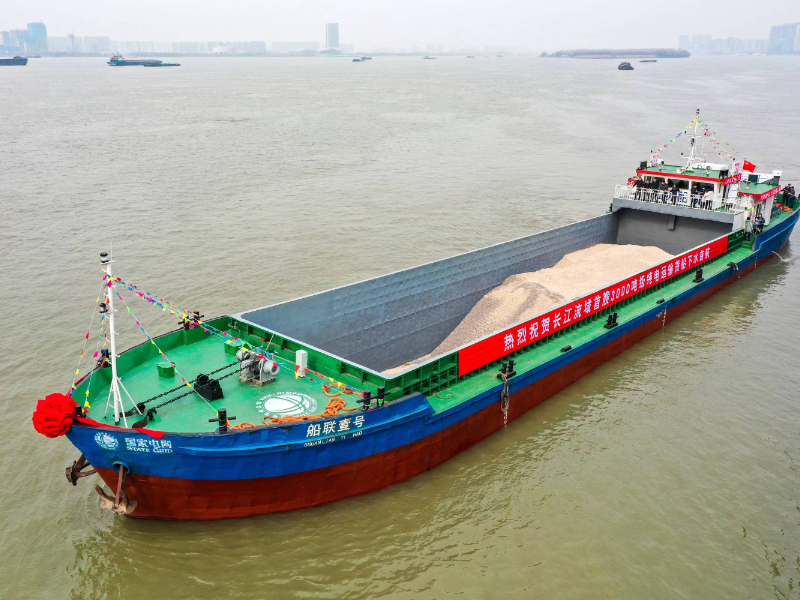
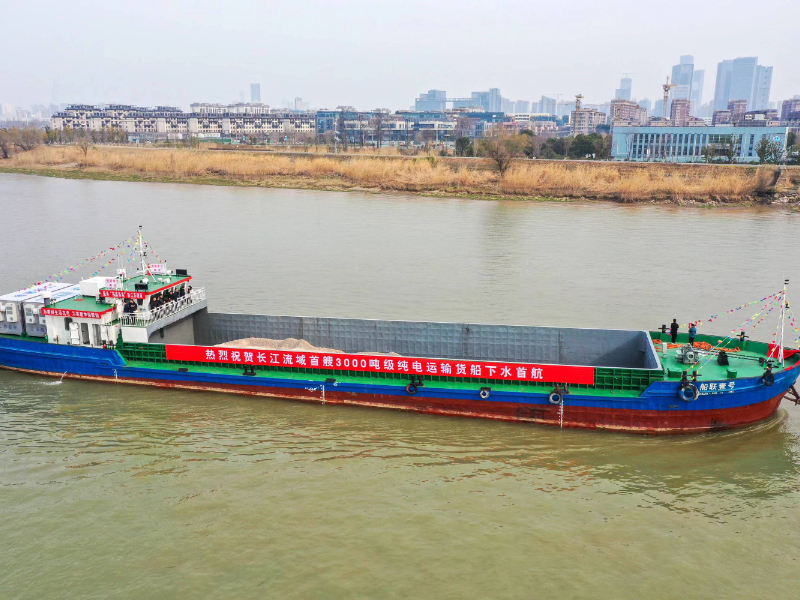
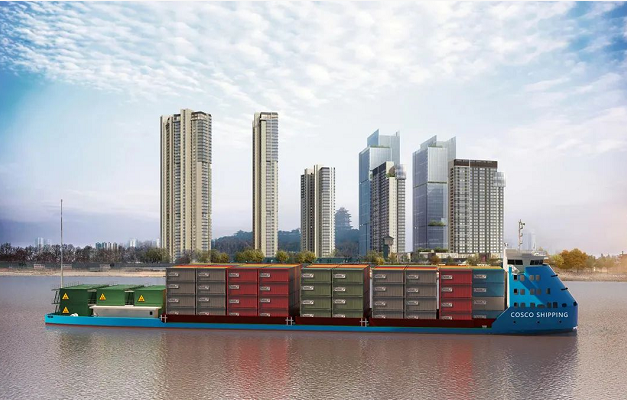
On the market front, Indonesia's "Maritime Highway" policy is driving upgrades to inter-island logistics systems, spurring demand for roll-on/roll-off vessels and bulk carriers. International resource export routes, such as direct shipments of nickel hydrometallurgy intermediates from Indonesia to Wuhan, are fueling demand for large-scale electric bulk carriers. Traditional shipyards that seize this opportunity to retrofit fuel-powered vessels into electric or hybrid models will not only comply with domestic environmental regulations but also gain a "green edge" in international markets. For example, Desay Marine's custom electric roll-on/roll-off vessels for Indonesia now efficiently transport new energy vehicles between Java and Kalimantan, setting a benchmark for Southeast Asian new energy vessels.
II. Vessel "Fuel-to-Electric" Retrofits: Dual Challenges of Technological Breakthroughs and Industrial Chain Collaboration
Retrofitting traditional fuel-powered vessels into electric models is not a simple engine swap but a systemic overhaul involving hull structure, energy management, and safety design. Indonesian shipyards face three core challenges:
1. Technological bottlenecks: Indonesian shipyards predominantly use traditional "upright" construction methods, requiring a one-year dock cycle for 10,000-ton vessels—far behind China's 17-day advanced timeline. Critical components like power batteries and fuel cells rely heavily on imports, with localization rates below 10%.
2. Cost pressures: Importing ship plates from Ukraine costs over $1,500 per ton, making repair and replacement quotes four times higher than in China. The high initial investment in electric vessels also strains small and medium-sized enterprises.
3. Talent gaps: High-end technical welders account for less than 5% of the workforce, while ship designers often depend on foreign training. Skilled personnel for intelligent system operation and maintenance are nearly nonexistent.
The solution lies in "technology transfer + local innovation":
· Technological collaboration: Indonesia has already partnered with South Korea on submarine modular construction, imported CNC cutting machines from China, and adopted Japanese quality management systems. Future efforts could deepen new energy vessel technology cooperation—such as introducing Chinese battery management system (BMS) technology or collaborating with European classification societies to develop electric vessel safety standards.
· Industrial chain synergy: Building on CATL's "nickel-to-battery-to-recycling" model, shipyards should partner with battery firms, steel mills, and port operators to form consortia, sharing technology and risks. For example, Hanwha Ocean's planned engine assembly plant in Batam could reduce logistics costs by 30% if it collaborates with Indonesian shipyards on electric propulsion systems.
· Policy support: Leveraging Indonesia's tax exemptions for imported vessel components, shipyards should prioritize locally produced batteries and motors. Through "foreign investment technology compensation" clauses, international partners could be required to train local teams alongside technology transfers—similar to how Indonesian state oil company Pertamina's tanker project saw Japanese class society inspectors mentor 200 local engineers in quality control.
III. Intelligent Upgrades: From "Experience-Driven" to "Data-Driven" Transformation
Vessel intelligence is the "brain" of new energy vessels and a key to boosting operational efficiency. Indonesian shipyards must advance intelligence across three dimensions:
1. Construction phase: Deploy collaborative robots (cobots) and automated welding equipment to reduce reliance on skilled labor. Build digital twin systems to optimize processes through virtual assembly—PT PAL Indonesia, for instance, has cut(10,000-ton oil tanker) construction cycles by 20% using digital twins.
2. Operational phase: Implement intelligent control systems to monitor battery status, speed, and fuel consumption in real time, dynamically adjusting navigation strategies. Leverage IoT to integrate port, weather, and cargo data for "end-to-end" visibility—China-to-Indonesia shipping routes have upgraded vessel scheduling systems, using machine learning to predict arrival times within one-hour accuracy.
3. Service phase: Develop remote operation and maintenance platforms for 5G-enabled fault warnings and software updates, minimizing downtime. Partner with insurers to offer "intelligent vessel insurance," adjusting premiums dynamically based on operational data to reduce risks.
IV. Future Outlook: Indonesia's "Green + Intelligent" Maritime Ecosystem
The transformation of Indonesia's traditional shipbuilding factories is not merely a technological upgrade but a reconfiguration of the industrial ecosystem. By 2030, with the completion of hubs like Patimban Port, Indonesia could forge a closed-loop ecosystem of "new energy vessel manufacturing—green logistics—smart ports":
· Manufacturing: Shipyards will co-build "green ship industrial parks" with battery firms and steel mills, achieving local component production.
· Operations: Electric vessels paired with intelligent scheduling systems will slash logistics costs to below 10% of GDP.
· Services: Big data-driven vessel health management platforms will offer global shipowners "Indonesian solutions."
Conclusion
The shift from fuel to electric, from manual to intelligent, represents not just a technological leap but an industrial rebirth for Indonesia's traditional shipbuilding sector. When robotic arms collaborate with welders in Java's shipyards, when electric roll-on/roll-off vessels silently load and unload cargo in Kalimantan's ports, and when digital twin systems pulse in Jakarta's control centers—this is not only the renaissance of Indonesia's shipbuilding industry but a glimpse of the global shipping sector's green future.
Indonesian shipbuilding is sailing toward the stars and seas under the banner of "green + intelligence."
Contact Us
Email:
13813981680@139.com
Tel:
+86-17602544555
Address:
Building T1, Tianjijiang Lai-T1, Pukou District, Nanjing City