


Sailing Toward a Greener Future: How China's Electric Cargo Ships Are Revolutionizing Global Shipping
2026-02-28


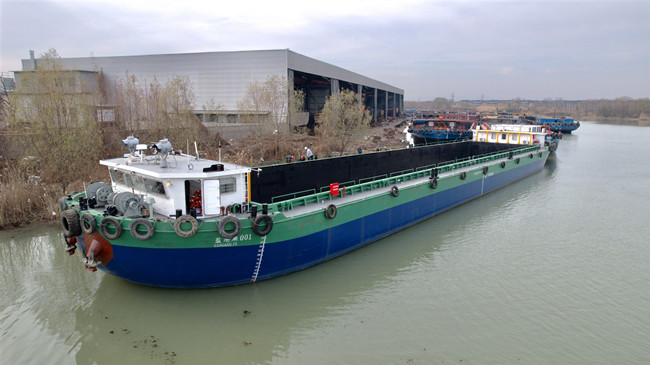
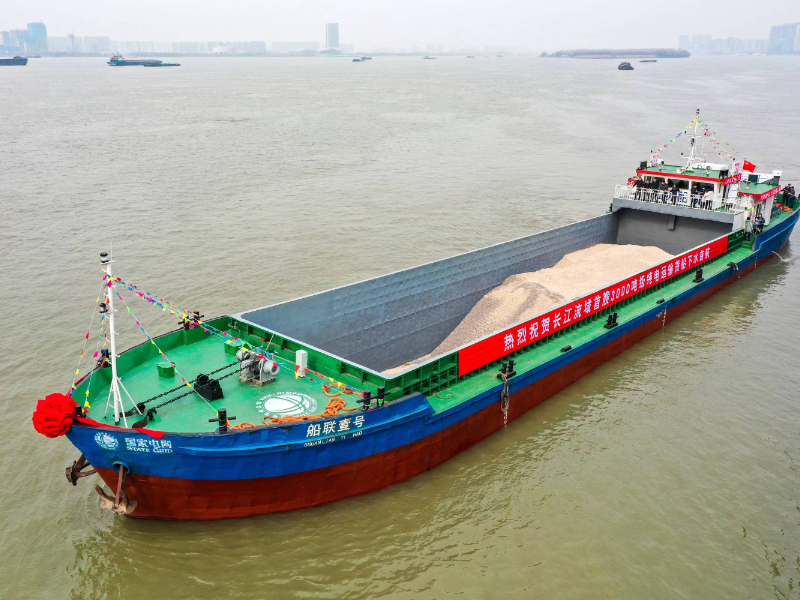
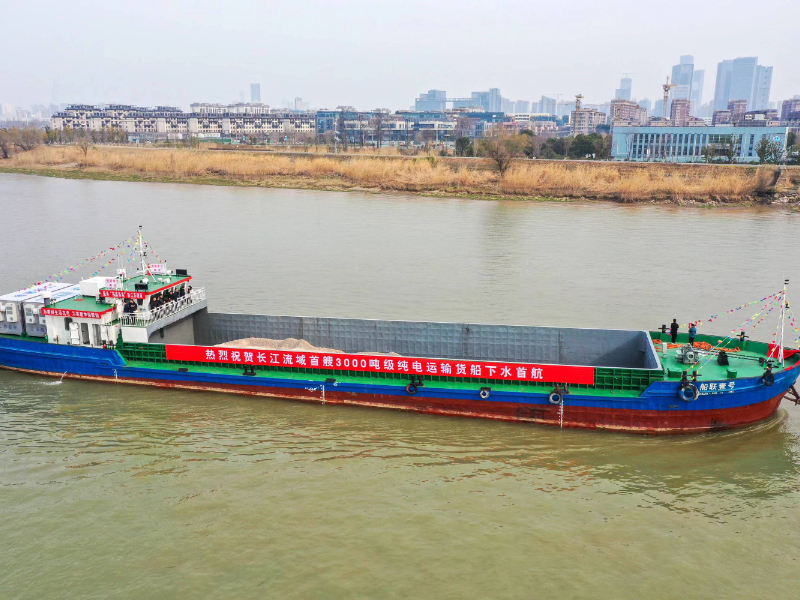
As waves gently caress the hulls of 10,000-ton electric container ships along the Yangtze River, and zero-emission freighters carve paths through the morning mist of the Pearl River Delta, China’s electric cargo vessels are rewriting the future of global maritime industry. From inland waterways to coastal routes, from technological breakthroughs to industrial chain transformation, this quiet energy revolution is not only injecting green momentum into China’s water transport but also charting a sustainable, low-carbon, and intelligent course for the world’s shipping sector through its "China Solution."
1. Technological Innovation: From "Following" to "Leading" the Global Race
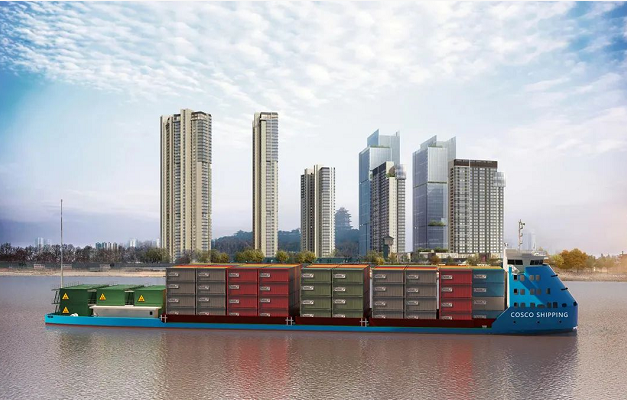
China’s rise in electric cargo shipping is a testament to independent core technology innovation. Battery giants like CATL and EVE Energy have elevated the energy density of lithium iron phosphate batteries to over 160Wh/kg, with cycle lives exceeding 12,000 charges and unmatched safety standards internationally. CSSC’s 10,000-ton electric cargo vessel, COSCO Shipping Green Water 01, is equipped with a 50MWh containerized battery system, featuring dual "fast swap + quick charge" modes that enable 3-minute battery replacements and 200km range after 2 hours of charging, eliminating range anxiety.
More impressively, tech firms like Shanghai ePropulsion integrate IoT and AI into ship control systems, enabling real-time route optimization, fault prediction, and dynamic energy allocation. These innovations boost energy efficiency by over 30% compared to traditional fuel vessels.
These breakthroughs have not only dominated China’s inland shipping but also propelled the global industry toward "zero carbonization." The International Maritime Organization’s (IMO) ambitious 2050 net-zero target, once deemed unattainable, now appears feasible thanks to China’s demonstration that battery advancements, smart integration, and swap-and-charge models can decarbonize shipping.
2. Industrial Chain Transformation: From "Single Breakthroughs" to "Ecosystem Synergy"
China’s electric cargo ship boom has spurred a holistic industrial chain encompassing battery production, ship design, charging infrastructure, and recycling. In the Yangtze River Delta, CSSC and CATL jointly established dedicated electric ship production lines for integrated "battery-motor-control" systems. In the Pearl River Delta, EVE Energy’s marine batteries have powered over 1,300 vessels, including inland freighters, coastal fishing boats, and offshore wind maintenance ships. Along the Yangtze Economic Belt, State Grid plans 200 ship charging/swapping stations, forming a "waterway charging corridor" that integrates with solar and energy storage systems.
This ecosystem’s synergy is driving exponential growth. CATL’s "Ship-Shore-Cloud" integrated solution exemplifies this: shipboard smart navigation, shore-side charging networks, and cloud-based "Yunfan" platforms monitor global electric fleets in real time. This full-chain integration has slashed electric ship acquisition costs by 40% versus diesel vessels, while economies of scale have reduced battery costs by 60% since 2021. By 2025, China’s marine lithium battery demand is projected to reach 11.2GWh, a 64-fold surge from 2021.
3. Global Leadership: From "China’s Experience" to "World Standards"
China’s electric shipping model is setting replicable benchmarks globally. Norway adopted China’s battery-swap approach to deploy high-power coastal charging stations, cutting electric ferry operating costs by 50%. Malaysia leveraged Chinese technology to retrofit inland freighters, reducing annual CO₂ emissions by over 2,000 tons per vessel. On the standards front, China Classification Society’s Guidelines for Pure Battery-Powered Ship Inspection have been incorporated into IMO global regulations, defining safety designs, charging protocols, and battery recycling for electric vessels worldwide.
More profoundly, China’s electric ships are reshaping global trade logistics. As the EU includes shipping in its carbon trading scheme, high-emission fuel vessels face steep surcharges, while China’s zero-emission electric freighters gain a competitive edge on Belt and Road routes. By 2025, electric ship dockings at Shanghai Port surged 200% year-on-year, boosting efficiency of China-Europe rail-inland waterway multimodal transport by 40%. A green shipping network underpinned by electric vessels is taking shape.
4. Blue Skies and Oceans: A Pledge for Tomorrow
When 10,000-ton electric freighters glide silently across the Yangtze, they cut through more than waves—they slice through outdated notions of sustainable development. China’s electric cargo ship revolution is not merely a technological leap but a civilizational choice: proving that economic growth and ecological preservation can coexist, and that industrial upgrading and global responsibility can resonate in harmony.
Today, China’s electric cargo ship orders are growing at 300% annually as they sail toward international markets. Tomorrow, they will carry the vision of a "community with a shared future for mankind" across the Pacific, Indian, and Atlantic Oceans, leaving zero-emission wakes in every sea. These wakes belong to China—and to the world. They are forged in the present—yet point toward the future.
Sailing Green, Powering the Globe. China’s electric cargo ships are steering the maritime industry toward a brighter horizon!
Contact Us
Email:
13813981680@139.com
Tel:
+86-17602544555
Address:
Building T1, Tianjijiang Lai-T1, Pukou District, Nanjing City