


Electric Cargo Ships Steering International Shipping Toward a New Breakthrough Direction
2026-03-03


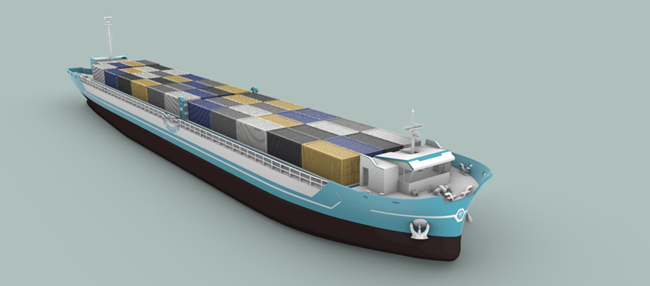
As the smoke of conflict mingles with the anxious scent of crude oil in the Persian Gulf, and the beacon lights in the Strait of Hormuz flicker amid the trails of missiles, the traditional shipping industry is experiencing its most violent tremor since the Suez Canal blockage. However, amid this tumultuous energy channel standoff, electric cargo ships—once regarded as a "futuristic" novelty in shipping—are quietly but resolutely carving out a green path through the stormy seas, opening up a resilient route for the global supply chain to be restructured.
I. The Darkest Hour for Traditional Shipping: The Sword of Damocles Hanging Over the Energy Lifeline
The Strait of Hormuz, this "golden waterway" carrying 20% of the world's crude oil transportation, has now become a powder keg of geopolitical tensions. The Iranian Supreme Leader's threat of blockade has sent the daily charter rates of VLCC (Very Large Crude Carrier) super tankers soaring to 40,000within48hours,whileattacksbytheHouthimilitiaintheRedSeahavecausedfreightratesontheAsia−Europeroutetoskyrocketby400100 million worth of goods, an additional $1 million in "fear tax" must be paid. As Maersk's cargo ships are forced to detour around the Cape of Good Hope and Germany's Hapag-Lloyd announces the suspension of services through the Strait of Hormuz, the global shipping industry is trapped in an ultimate paradox between "efficiency and safety"—longer voyages mean higher carbon emissions, while shorter routes entail greater war risks.
II. The Breakthrough Approach of Electric Cargo Ships: Green Power Reshaping Shipping Logic
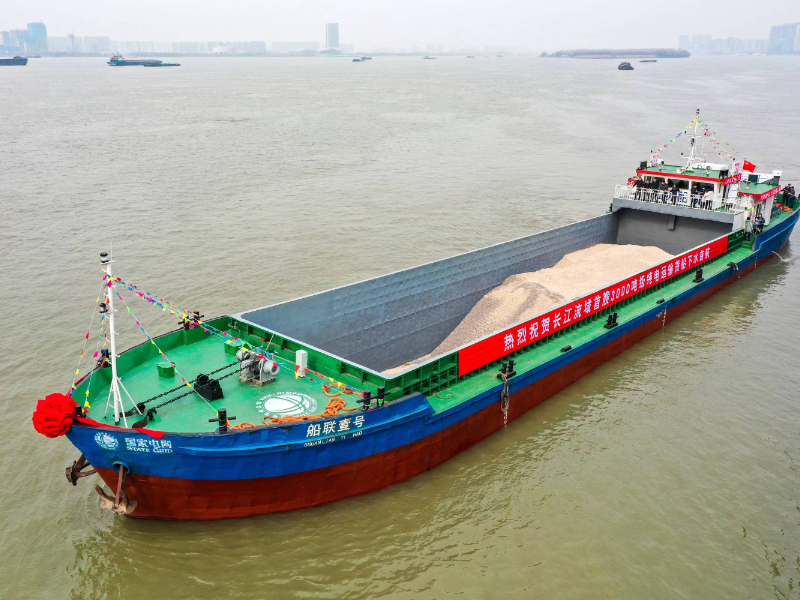
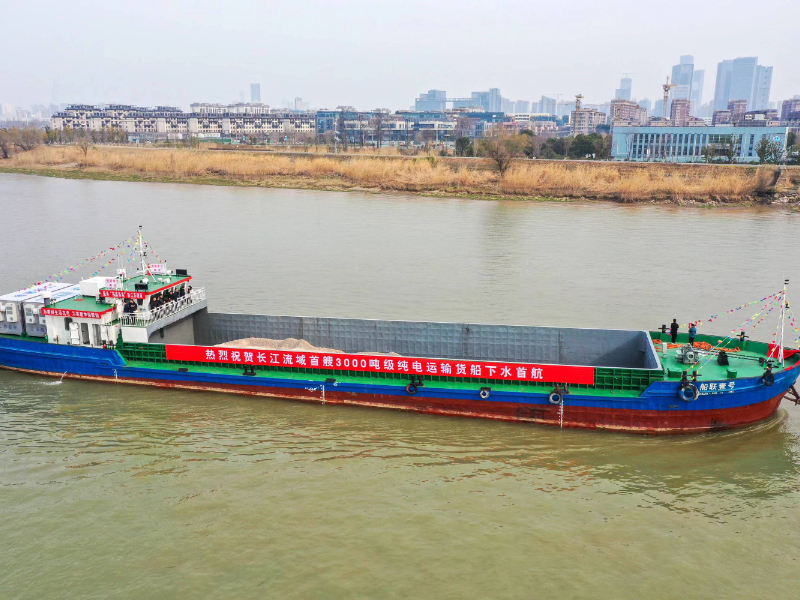
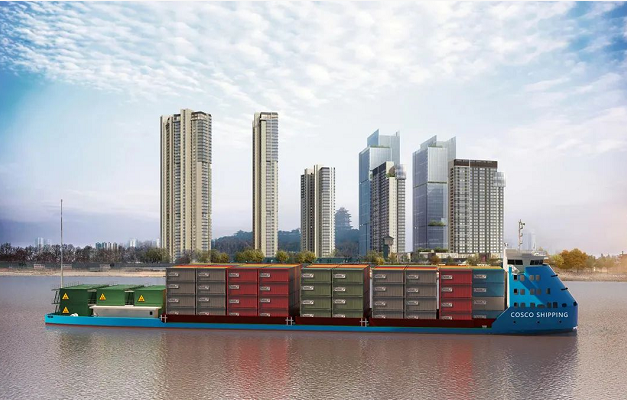
In this crisis, electric cargo ships have demonstrated remarkable strategic value. Take COSCO Shipping's "Lvshui 01" as an example. As the world's largest pure-electric container ship, it is powered by a 57,000 kWh lithium iron phosphate battery pack, enabling zero-emission navigation. Its operating costs are 35% lower than those of traditional fuel-powered ships, and it completely avoids the risks associated with fluctuations in war risk insurance premiums. More critically, the energy replenishment method of electric cargo ships is revolutionizing the traditional spatial and temporal logic of shipping. Through box-type mobile power swap technology, ships can achieve "5-minute power swaps and immediate departure" at ports, completely freeing themselves from dependence on fossil fuel supply stations.
This technological advantage translates into strategic resilience in times of crisis:
1. Route Freedom: Electric cargo ships do not need to detour through war zones to find fueling stations and can plan the optimal safe routes.
2. Cost Controllability: Electricity prices fluctuate far less than fuel markets, and long-term power supply contracts can be locked in advance.
3. Policy Dividends: Under the EU's carbon tax system, electric cargo ships can save tens of thousands of dollars in carbon emission costs per voyage.
III. China's Global Breakthrough: From Technology Catch-up to Standard Leadership
In this green revolution of the shipping industry, China is transforming from a follower into a rule-maker. By the end of 2025, China's inland electric ship fleet had surpassed 800 vessels, with electric cargo ships accounting for 23% of traffic on the Yangtze River's main stem, forming the world's most complete industrial chain for electric ships. Shanghai Port's intelligent power swap stations have achieved "swap-on-arrival" services, capable of handling 20 thousand-ton-class cargo ships per day. CATL's marine battery systems have passed certifications from six major classification societies, including DNV, with an energy density of 180Wh/kg, leading global counterparts.
More notably, China is taking the lead in setting international standards for electric ships. The "Safety Specifications for Inland Electric Cargo Ships," spearheaded by Wuhan Changjiang Ship Design Institute, has been incorporated into the 2026 revision draft by the International Maritime Organization (IMO). This means that core standards such as battery layout, charging interfaces, and emergency systems for future global electric cargo ships will bear the "Made in China" mark.
IV. The Future Course: From Crisis Response to Paradigm Revolution
The escalation of the Iranian situation is, at its core, a violent collision between the efficient yet fragile supply chain system of the golden age of globalization and the black swan events of geopolitics. The rise of electric cargo ships heralds a transformation in the shipping industry from "efficiency first" to "resilience first." As China Merchants Group's electric roll-on/roll-off ships carry new energy vehicles through the Persian Gulf, and BYD's electric transport ships achieve zero-carbon navigation in the Red Sea route, China's shipping industry is redefining "safe routes" through green technology—not through military escorts, but by reducing dependence on dangerous waterways through technological innovation.
This revolution is far from over. With breakthroughs in solid-state battery technology, the endurance of electric cargo ships will exceed 2,000 nautical miles by 2030, sufficient to cover direct routes from China to the Middle East. The maturation of hydrogen fuel cell technology will enable ten-thousand-ton-class cargo ships to achieve "zero-carbon circumnavigation." While the global shipping industry remains anxious about potential blockades in the Strait of Hormuz, China's electric cargo ships are quietly sailing toward a new era of safer, cleaner, and more autonomous maritime navigation.
Conclusion
Amid the smoke of conflict in the Persian Gulf, the propellers of electric cargo ships are stirring up a silent revolution. This is not merely an energy substitution but a profound reflection on how humanity can coexist with the oceans. When technological progress makes "winning without fighting" possible and green power enables "peaceful routes" to transcend geopolitical games, China's shipping industry is using innovation to write a new chapter in maritime civilization. The ultimate goal of this transformation is not to conquer the oceans but to enable every cargo ship to find its own green path through the stormy seas.
Contact Us
Email:
13813981680@139.com
Tel:
+86-17602544555
Address:
Building T1, Tianjijiang Lai-T1, Pukou District, Nanjing City