


India's Electric Container Vessels: Sailing Toward a Green Future in a Booming Market
2026-03-06


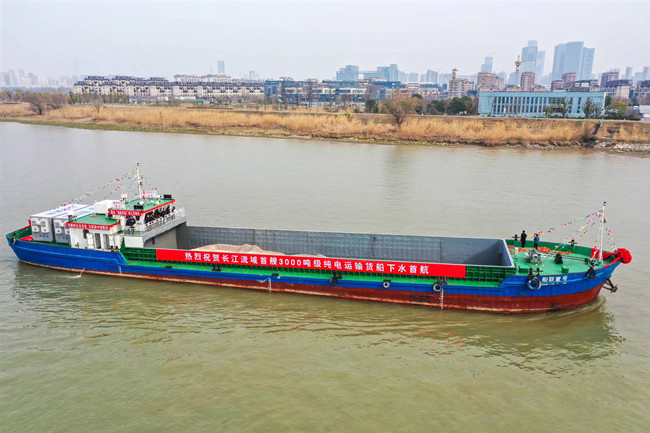
As India's economy surges forward, its maritime industry is rapidly reshaping the global trade landscape. Serving as a vital hub connecting Asia, the Middle East, and Europe, India boasts 13 active free trade agreements (FTAs) and is negotiating 12 new ones, with port throughput growing at an annual rate exceeding 8%. Amid this wave of opportunity, electric container vessels—with their "zero emissions, low noise, and high efficiency"—are emerging as the cornerstone of India's green maritime transformation, witnessing explosive growth in demand.
I. Policy Tailwinds: India's "Green Shipping" Strategy Fuels Market Expansion
The Indian government has identified maritime as a strategic pillar of national competitiveness. Its 2025 National Green Shipping Plan sets ambitious targets: by 2030, reduce carbon intensity in coastal and inland shipping by 40%, with electric vessels accounting for over 30% of the fleet. To accelerate adoption, India offers up to 30% subsidies for electric container vessel purchases, coupled with tax breaks and low-interest loans. For instance, a shipping company acquiring a 2,000 TEU electric vessel can receive ₹120 million (US$1.4 million) in government subsidies, cutting the payback period to under five years.
Equally transformative is India's plan to build the world’s first "electric vessel charging network." Twelve key ports, including Mumbai, Chennai, and Kochi, are investing ₹50 billion (US$600 million) in shore power infrastructure and fast-charging stations, enabling vessels to operate "zero-fuel" during port stays. This reduces operational costs for electric vessels by 25% compared to traditional fuel ships, making them a cost-saving powerhouse for businesses.
II. Market Pain Points: Traditional Shipping's "High Costs, High Pollution" Crisis
India’s maritime sector, while vast, grapples with two persistent challenges: soaring fuel costs and mounting environmental pressure. Annual spending on international freight and surcharges exceeds ₹6 trillion (US$75 billion), with fuel accounting for 40% of expenses. Meanwhile, Indian ports rank among the world’s most polluted, with ship emissions contributing 60% of sulfur oxides (SOx) and nitrogen oxides (NOx) in port air.
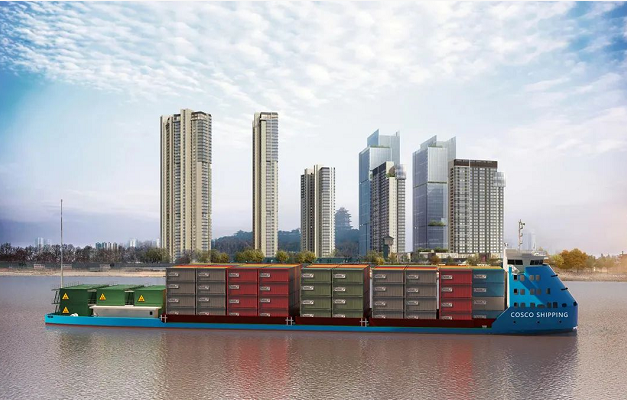
Electric container vessels address these issues head-on. Take a 1,500 TEU electric vessel equipped with lithium-ion batteries: it achieves a 300-nautical-mile range on a single charge, fully covering India’s coastal routes. Annual operational costs are ₹80 million (US$960,000) lower than diesel-powered ships, while avoiding hefty sulfur emission taxes. Certified as a "green vessel" by the Indian Register of Shipping (IRClass), it enjoys priority berthing and transit at ports, further boosting efficiency.
III. Technological Breakthroughs: India's "Leapfrog" Innovation
India is leveraging its "industry-academia-research" collaboration model to accelerate electric vessel innovation. In hull design, the Indian Institutes of Technology (IIT) and a leading shipyard co-developed an "aerodynamic hull" that reduces drag by 20%, cutting energy consumption by 15% versus conventional models. For propulsion, a company’s "hydrogen fuel cell + lithium-ion battery" hybrid system powers a 500 TEU feeder vessel for 500+ nautical miles on zero emissions, filling India’s long-range electric shipping gap.
Capitalizing on its global IT leadership, India is also embedding "smart brains" into electric vessels. A shipping firm’s AI-driven energy management system optimizes battery use, route weather, and cargo weight in real time, improving efficiency by 12%. Meanwhile, a blockchain-based carbon footprint tracker provides transparent emissions data, helping Indian exporters meet EU carbon border taxes (CBAM) and other global green standards.
IV. Demand Surge: Dual Drivers of Industrial Shift and Consumption Upgrade
As global supply chains pivot to India, its manufacturing exports are growing at over 10% annually, fueling container transport demand. Clarksons Research projects coastal container volume to hit 8 million TEU by 2026, with electric vessels’ market share soaring from 5% in 2025 to 15%. This growth is powered by two sectors:
1. Manufacturing Exports: India is absorbing global electronics, automotive, and pharma production. For example, smartphones assembled in India are shipped via container vessels to the Middle East and Africa. Electric vessels’ "low-cost + high reliability" are critical for supply chain stability.
2. Cross-Border E-Commerce: India’s e-commerce market exceeds US$100 billion, with surging demand for high-value goods like fresh produce and pharmaceuticals. Electric reefer containers maintain "constant temperature + humidity", slashing cargo loss rates from 15% to 3%, a game-changer for perishables.
V. Future Outlook: India as a Global Leader in Electric Shipping
India’s electric container vessel boom is more than a technological revolution—it’s a fusion of national strategy and market demand. With the Suez Canal’s reopening and Red Sea route stabilization, global shipping faces "overcapacity" and "green transition" pressures. India, with its massive market, policy support, and innovation ecosystem, is poised to become a global testing ground and exporter of electric vessels.
The International Energy Agency (IEA) predicts India’s electric shipping market will surpass US$5 billion by 2030, with electric container vessels accounting for over 60%. For shipping firms, this isn’t just about cutting costs—it’s a strategic move to align with global green trade and enhance brand value.
Conclusion
As India’s electric container vessels glide through Mumbai Bay’s morning mist, they carry more than cargo—they embody a nation’s commitment to sustainability, innovation, and redefining global trade. In this vibrant blue ocean, electric vessels are steering India’s maritime industry toward a greener future. Are you ready to board this era-defining ship?
Contact Us
Email:
13813981680@139.com
Tel:
+86-17602544555
Address:
Building T1, Tianjijiang Lai-T1, Pukou District, Nanjing City